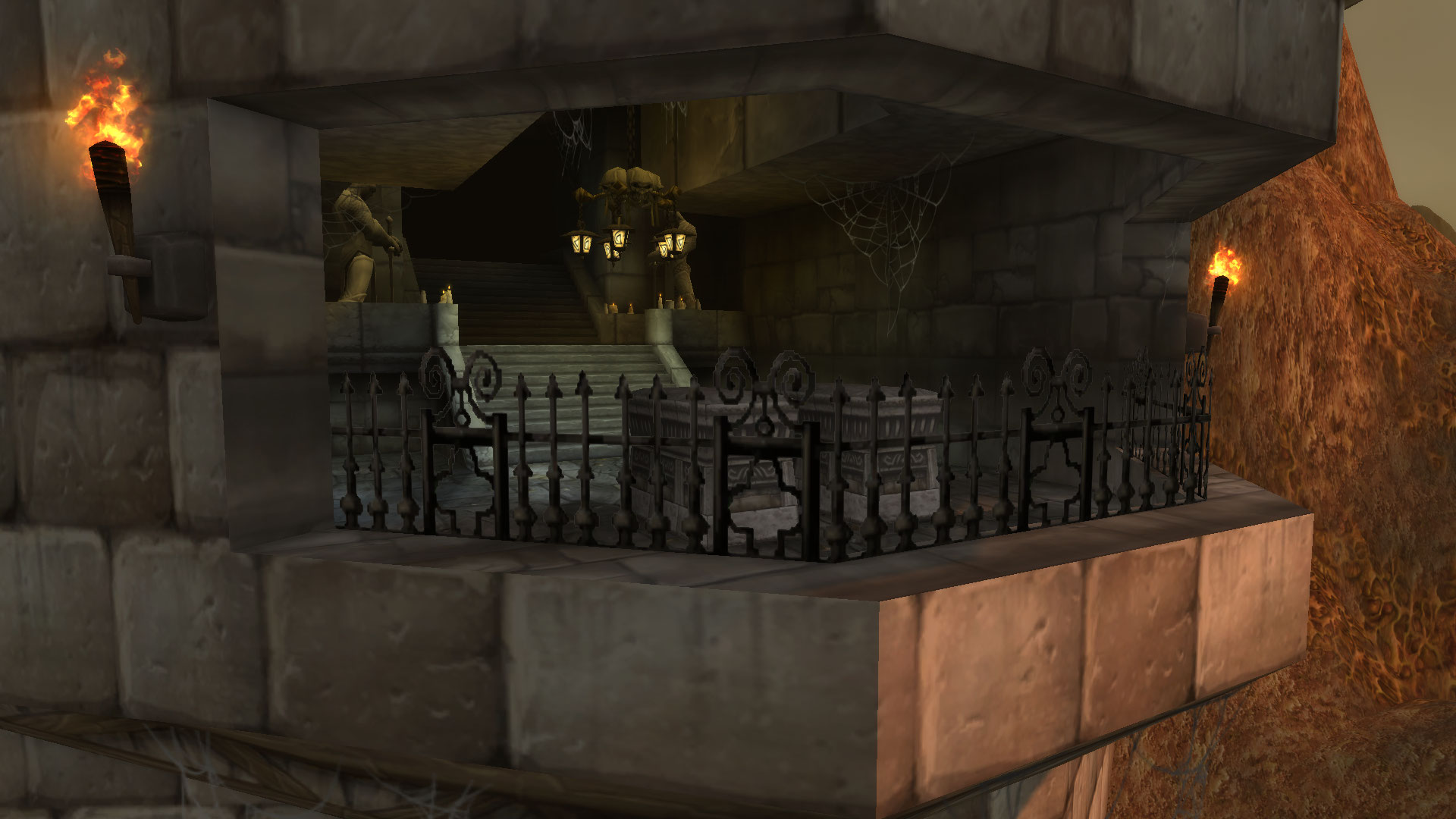
The Scholomance dungeon in World of Warcraft is a pivotal location steeped in lore, particularly regarding the infamous Kel’Thuzad and his transformation from a Kirin Tor mage to a leader of the Cult of the Damned. This guide delves into the intricate details of Scholomance, exploring its history, mechanics, and the impact of Kel’Thuzad’s betrayal. Understanding these elements is crucial for players seeking to grasp the full narrative and gameplay experience surrounding this iconic dungeon.
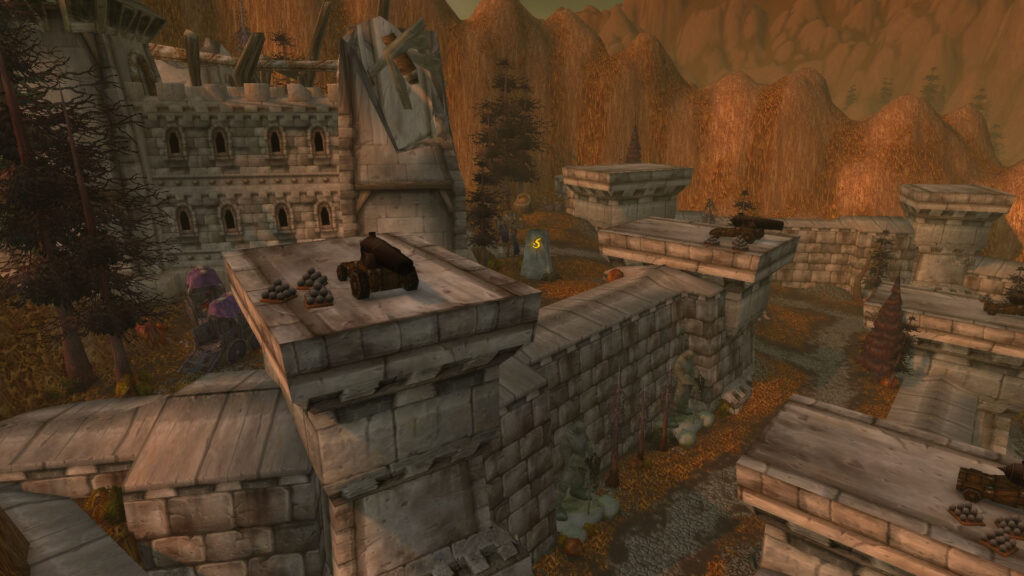
What is the significance of Scholomance in World of Warcraft?
Scholomance serves as a crucial narrative and gameplay hub, showcasing the dark transformation of Kel’Thuzad and the rise of the Cult of the Damned.
Scholomance was originally a school of necromancy located in the Plaguelands, where the study of dark magic was prevalent. The significance of this dungeon lies in its rich lore, which intertwines with the broader narrative of the Scourge and the Lich King. Players encounter various undead foes, each representing the culmination of Kel’Thuzad’s dark teachings. The dungeon not only serves as a battleground but also as a narrative device that reveals the consequences of unchecked ambition and the thirst for power. Understanding this context enhances the player’s experience and engagement with the game’s story.
- Explore the lore through quest lines that reveal the history of the Kirin Tor and Kel’Thuzad.
- Engage with the various undead enemies to understand their backstories and connections to the Cult.
- Participate in group runs to experience the mechanics and strategies required to conquer the dungeon.
- Study the environmental storytelling elements within Scholomance to gain deeper insights into its significance.
How did Kel’Thuzad become a traitor to the Kirin Tor?
Kel’Thuzad’s betrayal stemmed from his insatiable thirst for knowledge and power, leading him to embrace necromancy and the Lich King.
Initially a respected member of the Kirin Tor, Kel’Thuzad’s obsession with forbidden knowledge drove him to explore necromancy, which was strictly forbidden by the Kirin Tor. His desire to unlock the secrets of life and death led him to the Lich King, who promised him power beyond imagination. This pivotal moment marked his transition from a revered mage to a traitor, as he willingly sacrificed his humanity to become a servant of the Scourge. The mechanics of his transformation are rooted in the game’s lore, where the allure of dark magic often leads to corruption and downfall. Kel’Thuzad’s actions not only affected his fate but also had far-reaching consequences for the entire region of Lordaeron.
In terms of gameplay mechanics, players can see the impact of his betrayal through the various undead minions he commands within Scholomance. Each encounter serves as a reminder of his former life and the power he wields as a necromancer. The strategic decisions players make while navigating the dungeon reflect the challenges posed by Kel’Thuzad’s dark influence. Understanding his motivations and the mechanics behind his betrayal enriches the player’s experience and provides context for the encounters within the dungeon.
What are the key mechanics of the Scholomance dungeon?
The mechanics of Scholomance revolve around strategic encounters, environmental hazards, and the unique abilities of its bosses.
Scholomance features a series of encounters that require players to adapt their strategies based on the abilities of the bosses and their minions. Each boss encounter is designed with specific mechanics that challenge players to coordinate their efforts effectively. For instance, the encounter with Jandice Barov requires players to manage illusions while dealing with her powerful spells, emphasizing the need for situational awareness. Additionally, the layout of the dungeon includes traps and environmental hazards that can impede progress, necessitating careful navigation and teamwork.
Players must also consider the synergy between their classes and roles within the group. Healers must be prepared to counteract damage over time effects, while damage dealers need to prioritize targets based on their threat levels. The mechanics of Scholomance are not only about defeating enemies but also about understanding the flow of combat and adapting to the dynamic environment. This level of strategic depth makes Scholomance a memorable experience for players seeking to master its challenges.
What are the notable bosses in Scholomance and their abilities?
Scholomance features several notable bosses, each with unique abilities that challenge players in different ways.
The following table summarizes the key bosses encountered in Scholomance, their abilities, and strategies for defeating them. Understanding these elements is crucial for players aiming to conquer the dungeon efficiently.
| Boss Name | Key Abilities | Strategies | Loot Drops |
|---|---|---|---|
| Jandice Barov | Illusions, AoE Damage | Focus on illusions first, manage positioning | Robes of the Exalted |
| Rattlegore | Summon Skeletons, Heavy Hits | Control adds, use crowd control | Bone Golem’s Flayer |
| Kel’Thuzad | Frostbolt, Summon Minions | Interrupt spells, focus fire on minions | Staff of the Forgotten One |
How can players prepare for a run in Scholomance?
Preparation for a Scholomance run involves understanding the dungeon layout, boss mechanics, and optimal group composition.
Before entering Scholomance, players should familiarize themselves with the dungeon’s layout and the locations of key bosses. This knowledge allows for efficient navigation and minimizes the risk of encountering unnecessary enemies. Additionally, players should review the abilities of each boss to develop strategies tailored to their group composition. For example, a balanced group with a tank, healer, and damage dealers will have different strategies compared to a more DPS-heavy group. Understanding these dynamics is essential for a successful run.
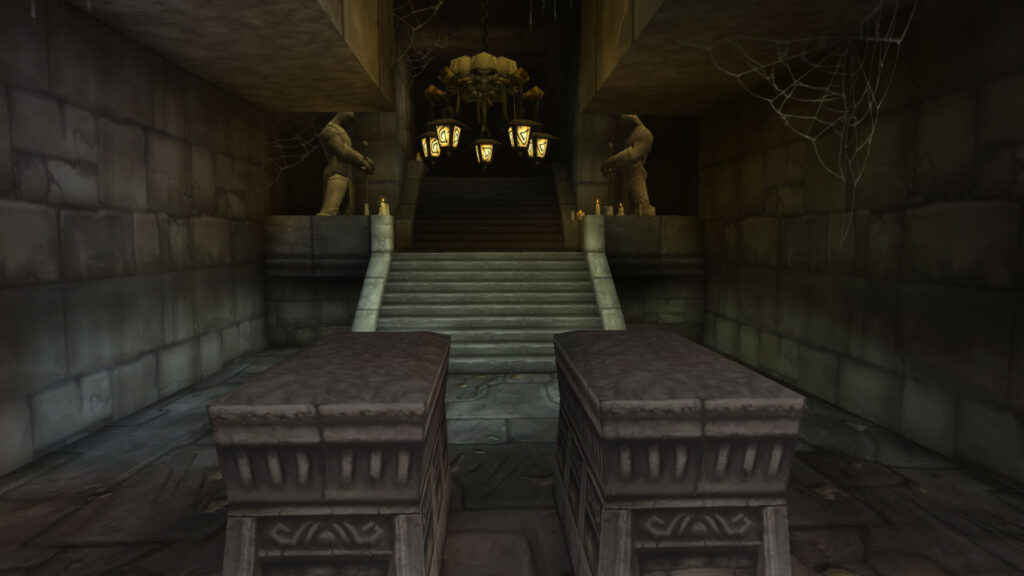
Furthermore, players should ensure they have the appropriate gear and consumables, such as potions and food buffs, to enhance their performance. Communication within the group is vital; discussing roles and responsibilities before the run can significantly improve coordination during encounters. By taking these preparatory steps, players can maximize their chances of success and enjoy a more immersive experience in Scholomance.
What strategies can enhance efficiency in Scholomance runs?
Enhancing efficiency in Scholomance runs requires effective communication, strategic planning, and optimal resource management.
To maximize efficiency, players should establish clear communication channels, whether through voice chat or in-game messaging. This ensures that everyone is aware of their roles and can respond quickly to changing circumstances during encounters. Additionally, players should develop a plan for each boss encounter, including target priorities and positioning strategies. For instance, assigning specific roles for crowd control can streamline the process of managing adds and minimizing damage taken.
Resource management is another critical aspect of efficient runs. Players should monitor their health and mana levels, using consumables strategically to maintain optimal performance throughout the dungeon. Additionally, understanding the timing of boss abilities can help players anticipate and react effectively, reducing the likelihood of wipes. By implementing these strategies, players can enhance their overall efficiency and enjoyment of Scholomance runs.
Frequently Asked Questions
What level should players be to enter Scholomance?
Players should ideally be around level 58-60 to enter Scholomance, as the dungeon is designed for high-level characters. This ensures that players have the necessary skills and gear to tackle the challenges within.
Can Scholomance be completed solo?
While it is possible for highly skilled players to solo Scholomance, it is generally recommended to run with a group. The mechanics and boss encounters are designed for multiple players, making group runs more efficient and manageable.
What are the best classes for running Scholomance?
Classes that excel in crowd control, healing, and tanking are particularly effective in Scholomance. A balanced group typically includes a tank, a healer, and damage dealers to ensure success in encounters.
Are there any notable loot drops in Scholomance?
Yes, Scholomance features several notable loot drops, including powerful weapons and armor pieces. Players should aim to defeat key bosses to maximize their chances of obtaining valuable gear.
Leave a Reply